Iceland
📍 Iceland
☀️ Best: June–August (midnight sun) or September–March (Northern Lights) 💰 $220–500
<h2>Iceland: The Edge of the World</h2>
<p>Iceland is the most geologically dramatic landscape accessible to Australian travellers. The island sits directly on the Mid-Atlantic Ridge — the tectonic boundary between the North American and Eurasian plates — and the consequences are visible everywhere: active volcanoes, geysers erupting every 6–8 minutes, geothermal hot springs at every temperature from lukewarm to scalding, black sand beaches sculpted by lava flows, and the Northern Lights from September to March. For Australians accustomed to ancient, worn-down geology, Iceland's rawness and violence is genuinely alien.</p>
<h2>The Ring Road</h2>
<p>Route 1, the Ring Road, circumnavigates Iceland in approximately 1,300km. In summer (June–August) it is entirely accessible by two-wheel-drive vehicle. The standard itinerary takes 7–10 days and covers the waterfalls of the south (Skógafoss, Seljalandsfoss), the Jökulsárlón glacier lagoon with its floating icebergs, the Eastfjords, the geothermal valley of Mývatn in the north, the lava fields of the Snæfellsnes Peninsula, and the Golden Circle (Geysir, Gullfoss, Þingvellir National Park) near Reykjavík. Self-drive is the definitive way to experience Iceland — public transport is inadequate outside Reykjavík.</p>
<h2>The Northern Lights</h2>
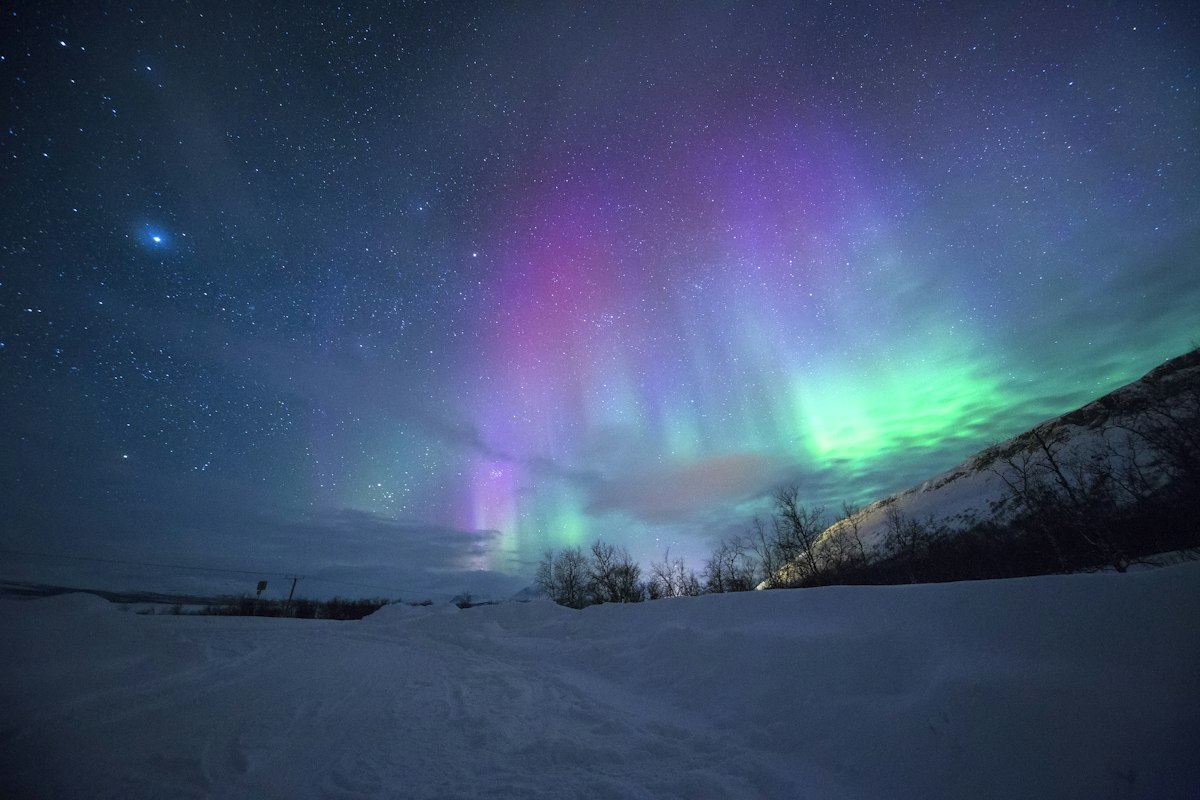
<p>The Aurora Borealis is visible from mid-September to late March when nights are dark enough. The forecasting app Veðurstofa Íslands (Icelandic Met Office) provides 3-day aurora forecasts on a scale of 1–9 — anything above 3 with clear skies is worth chasing. Get away from Reykjavík's light pollution. The phenomenon is entirely natural and weather-dependent — no tour can guarantee a sighting, but a week-long trip in winter gives reasonable odds. The Snæfellsnes Peninsula and the southeast coast near Vík are reliable dark-sky locations.</p>
<h2>Blue Lagoon vs Local Pools</h2>
<p>The Blue Lagoon near Keflavík Airport is world-famous and genuinely beautiful — the silica-rich, geothermally-heated milky-blue water in a lava field is spectacular — but at AUD $120–200 per person it is expensive. Book months ahead. The alternative preferred by locals: Reykjavík's neighbourhood geothermal swimming pools (Laugardalslaug, Vesturbæjarlaug) charge AUD $8–12 for unlimited soaking in perfectly maintained hot pots. Myvatn Nature Baths in the north is a less-crowded, half-price alternative to the Blue Lagoon with equally striking geology.</p>
<h2>Practical Information for Australians</h2>
<p>No direct flights from Australia — connections via Singapore, Dubai, London or Copenhagen are typical (total 24–30 hours travel). Return flights AUD $2,500–4,500 depending on routing and season. Australians receive 90 days visa-free entry (Schengen). Iceland is expensive — budget AUD $250–450/day. Accommodation and car hire should be booked 6+ months ahead for summer travel. <a href="/program/world-nomads">World Nomads Explorer</a> travel insurance — comprehensive adventure cover is essential given the activities involved. Bring a credit card with no foreign transaction fees.</p>
Iceland is the most geologically dramatic landscape accessible to Australian travellers. The island sits directly on the Mid-Atlantic Ridge — the tectonic boundary between the North American and Eurasian plates — and the consequences are visible everywhere: active volcanoes, geysers erupting every 6–8 minutes, geothermal hot springs at every temperature from lukewarm to scalding, black sand beaches sculpted by lava flows, and the Northern Lights from September to March. For Australians accustomed to ancient, worn-down geology, Iceland's rawness and violence is genuinely alien.
Route 1, the Ring Road, circumnavigates Iceland in approximately 1,300km. In summer (June–August) it is entirely accessible by two-wheel-drive vehicle. The standard itinerary takes 7–10 days and covers the waterfalls of the south (Skógafoss, Seljalandsfoss), the Jökulsárlón glacier lagoon with its floating icebergs, the Eastfjords, the geothermal valley of Mývatn in the north, the lava fields of the Snæfellsnes Peninsula, and the Golden Circle (Geysir, Gullfoss, Þingvellir National Park) near Reykjavík. Self-drive is the definitive way to experience Iceland — public transport is inadequate outside Reykjavík.
The Aurora Borealis is visible from mid-September to late March when nights are dark enough. The forecasting app Veðurstofa Íslands (Icelandic Met Office) provides 3-day aurora forecasts on a scale of 1–9 — anything above 3 with clear skies is worth chasing. Get away from Reykjavík's light pollution. The phenomenon is entirely natural and weather-dependent — no tour can guarantee a sighting, but a week-long trip in winter gives reasonable odds. The Snæfellsnes Peninsula and the southeast coast near Vík are reliable dark-sky locations.
The Blue Lagoon near Keflavík Airport is world-famous and genuinely beautiful — the silica-rich, geothermally-heated milky-blue water in a lava field is spectacular — but at AUD $120–200 per person it is expensive. Book months ahead. The alternative preferred by locals: Reykjavík's neighbourhood geothermal swimming pools (Laugardalslaug, Vesturbæjarlaug) charge AUD $8–12 for unlimited soaking in perfectly maintained hot pots. Myvatn Nature Baths in the north is a less-crowded, half-price alternative to the Blue Lagoon with equally striking geology.
No direct flights from Australia — connections via Singapore, Dubai, London or Copenhagen are typical (total 24–30 hours travel). Return flights AUD $2,500–4,500 depending on routing and season. Australians receive 90 days visa-free entry (Schengen). Iceland is expensive — budget AUD $250–450/day. Accommodation and car hire should be booked 6+ months ahead for summer travel. World Nomads Explorer travel insurance — comprehensive adventure cover is essential given the activities involved. Bring a credit card with no foreign transaction fees.
June–August (Midnight Sun): Iceland in summer has 24-hour daylight at the peak (June 21 is the longest day) — the landscape is extraordinary, waterfalls full from snowmelt, and hiking season at its best. Temperatures 10–20°C. No Northern Lights (requires darkness). Most visited period.
September–November (Northern Lights season begins): September is Iceland's finest month — late midnight sun transitions to dark nights, Northern Lights begin appearing, autumn colours on the tundra, and crowds significantly thinner than summer. October–November: dark enough for regular Northern Lights sightings, weather is turning (5–10°C, rain and wind increasingly likely).
December–February: The best Northern Lights season — 18+ hours of darkness, maximum likelihood of sightings. Cold (-2 to 5°C), icy roads requiring 4WD, and some attractions operate reduced hours. But the Northern Lights dancing over a frozen landscape are extraordinary.
Iceland's most famous day circuit from Reykjavik: Þingvellir National Park (where the two tectonic plates are visibly pulling apart, and where Iceland's parliament was founded in 930 AD), Geysir (the original geyser, now dormant, but adjacent Strokkur erupts every 5–10 minutes to 20+ metres), and Gullfoss waterfall (two-tier cascade into a canyon, extraordinary volume). Self-drive: AUD $80–120/day for a small car from Reykjavik. Guided tour: AUD $80–120 per person.
The Aurora Borealis requires: darkness (September–March), clear skies, and solar activity (check spaceweather.com and the Icelandic Met Office aurora forecast). The best strategy: rent a car, monitor the forecast, and drive away from Reykjavik's light pollution when conditions look promising. Northern Lights tours (AUD $60–100) provide the car and local knowledge but guarantee nothing — this is nature. The most magical setting: the aurora reflected in a still glacial lagoon.
A glacial lagoon at the foot of Vatnajökull (Europe's largest glacier) where enormous icebergs calve from the glacier face and drift through the lake before floating into the sea. Boat tour through the icebergs: AUD $50–70 per person. The adjacent Diamond Beach — black volcanic sand littered with ice blocks washed ashore from the lagoon — is one of Iceland's most extraordinary photographs. 4 hours from Reykjavik along the Ring Road.
Iceland's most famous attraction and most-visited tourist site — a milky blue silica-mineral geothermal pool at 38–40°C surrounded by black lava fields near Keflavik Airport. Book the Premium package (AUD $120–150) well in advance — the Blue Lagoon sells out weeks ahead in peak season. The Comfort level (AUD $70–90) is enough for most visitors. Either way: book before arriving in Iceland. Note: the new Sky Lagoon in Reykjavik (AUD $70–100) is a worthy alternative with an extraordinary ocean cliff setting.
A day drive along Iceland's South Coast from Reykjavik: Seljalandsfoss (walk behind the waterfall, AUD $3 parking), Skógafoss (60 metres wide, rainbow-producing, free), the village of Vík and the extraordinary black sand beach of Reynisfjara (hexagonal basalt columns, dramatic sea stacks, and waves that have claimed lives — stay away from the water's edge, especially in winter). 2.5–3 hours each way from Reykjavik.
Iceland is one of the world's most expensive countries. Budget AUD $300–450/day for comfortable travel including accommodation and a hire car.
Iceland is very safe. The natural environment presents the primary risks:
Arrive. Recover from the flight. Reykjavik: Hallgrímskirkja church (elevator to top for city views, AUD $10), Harpa Concert Hall (extraordinary glass facade, free to enter). Evening: Laugavegur street for dinner and the famous Icelandic hot dogs at Bæjarins Beztu.
Self-drive or guided tour: Þingvellir, Geysir, Gullfoss. Return to Reykjavik. Evening: Northern Lights hunting if forecast looks promising (September–March).
Morning: Blue Lagoon (book ahead — check-in 8–10am before crowds). Drive the South Coast: Seljalandsfoss, Skógafoss, Reynisfjara black beach. Overnight in Vík or return to Reykjavik.
Early departure for Jökulsárlón Glacier Lagoon (4 hours drive). Amphibious boat tour (book ahead). Diamond Beach. Return — consider overnight at a guesthouse near the lagoon for sunrise over the icebergs.